What type of services do I provide?

-
I use play therapy techniques to help children express emotions, build coping skills, and process experiences in a developmentally appropriate way. Through a child-centered and supportive approach, I create a safe environment where children can communicate through play, creativity, and interaction when words may be difficult. I collaborate closely with caregivers to support emotional growth, strengthen relationships, and encourage healthy social and behavioral development.
-
I incorporate sand tray and play therapy techniques to help children safely explore emotions, experiences, and relationships in a creative and developmentally appropriate way. Using play, storytelling, and symbolic expression, I support children in processing difficult feelings, improving emotional regulation, and building self-awareness in a supportive and nonjudgmental environment. My approach encourages children to communicate, heal, and grow through hands-on and expressive therapeutic experiences.
-
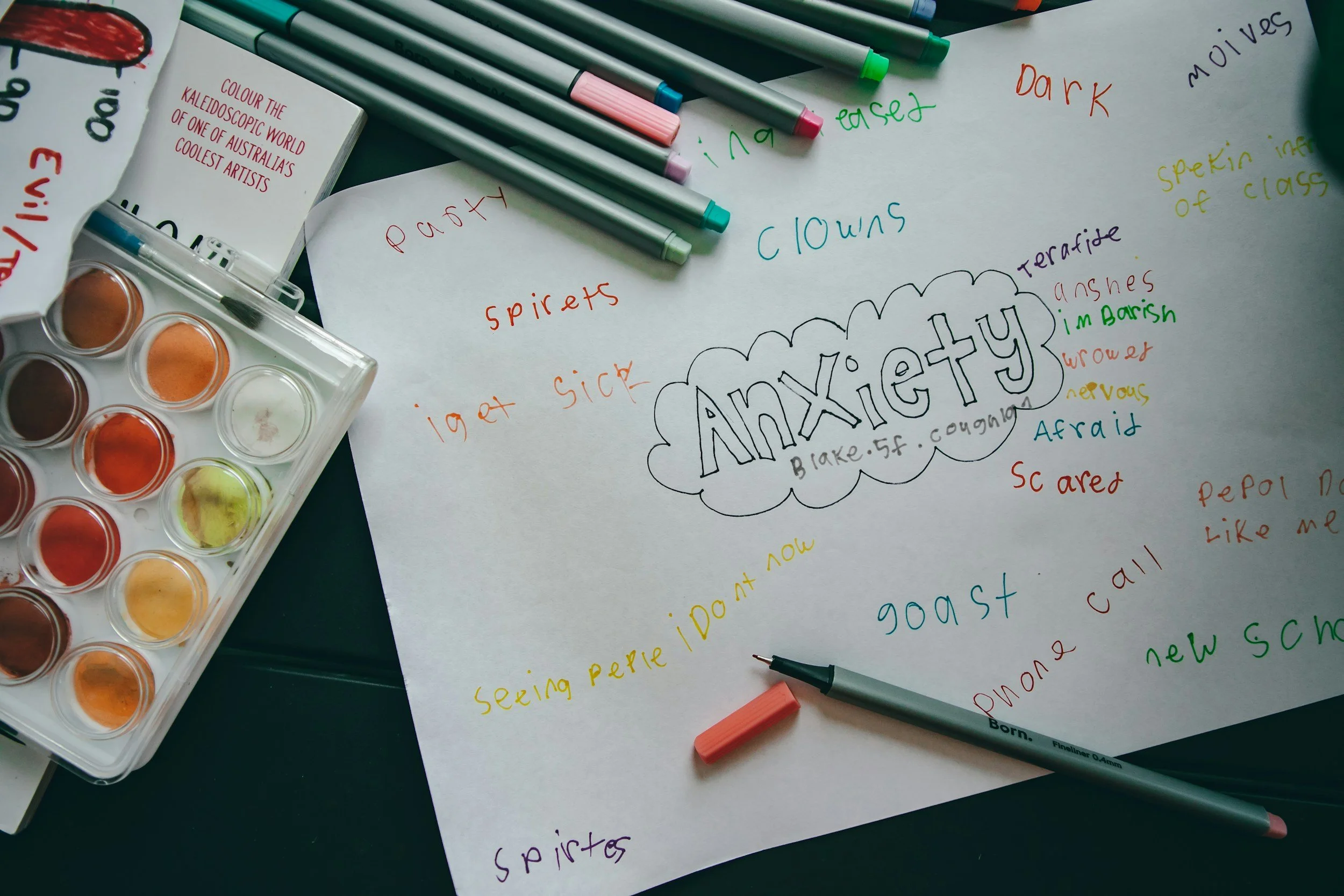
I use art-based techniques to help kids explore emotions, build confidence, and communicate their inner world through drawing, painting, or creative projects. These activities reduce pressure, support emotional regulation, and open the door to meaningful conversations at a pace that feels comfortable for each child.
-
I use Cognitive Behavioral Therapy (CBT) to help children and adolescents better understand the connection between their thoughts, feelings, and behaviors. Through age-appropriate strategies and a supportive approach, I help clients identify anxious thinking patterns and manage intrusive thoughts while building healthy coping skills, emotional regulation, and confidence. My goal is to create a safe and collaborative environment where children feel empowered to challenge fears, reduce anxiety, and develop practical tools for everyday life.
-
Family therapy focuses on strengthening communication, connection, and understanding within the family system. In sessions, I help families slow down, listen to one another, and explore patterns that may be causing stress or misunderstandings. Through guided conversations, problem‑solving, and collaborative activities, families learn new ways to support each other, navigate conflict, and build healthier relationships. The goal is not to assign blame — it’s to create a space where everyone feels heard, valued, and able to grow together.